Daniel Stubblebine
The Resurrection of a Marionette: hand-crafted by Katdazzle
The Original Porcelain 8” marionette
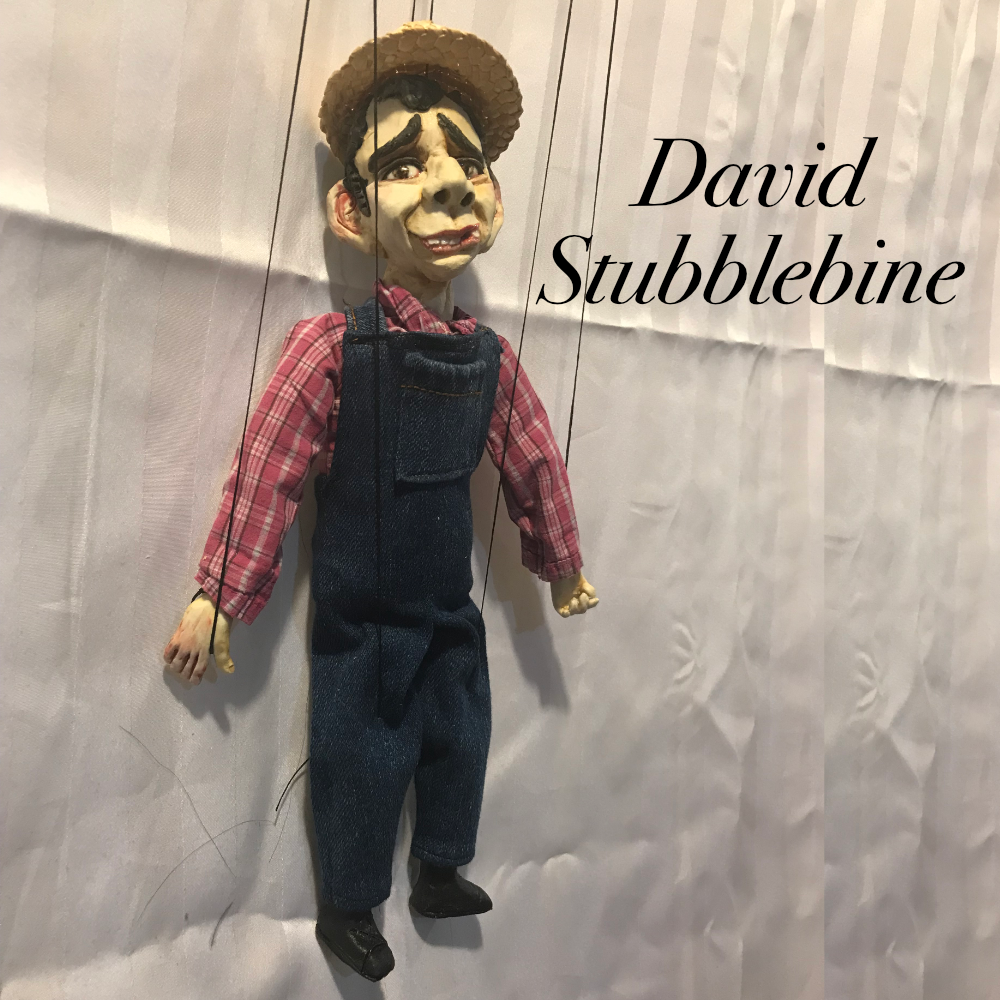
Future Hand-carved large 15” marionette
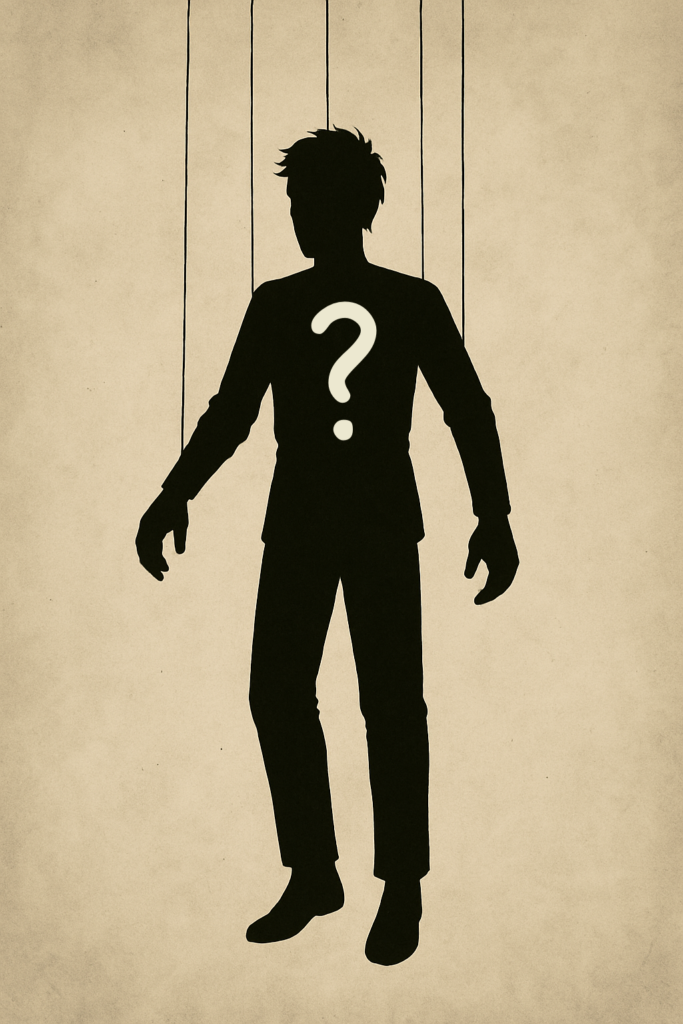
Born porcelain. Reborn in wood.
The True Story of Daniel Stubblebine (1790–1859)
Blacksmith • Coffee-grinder maker• Battle-Axe
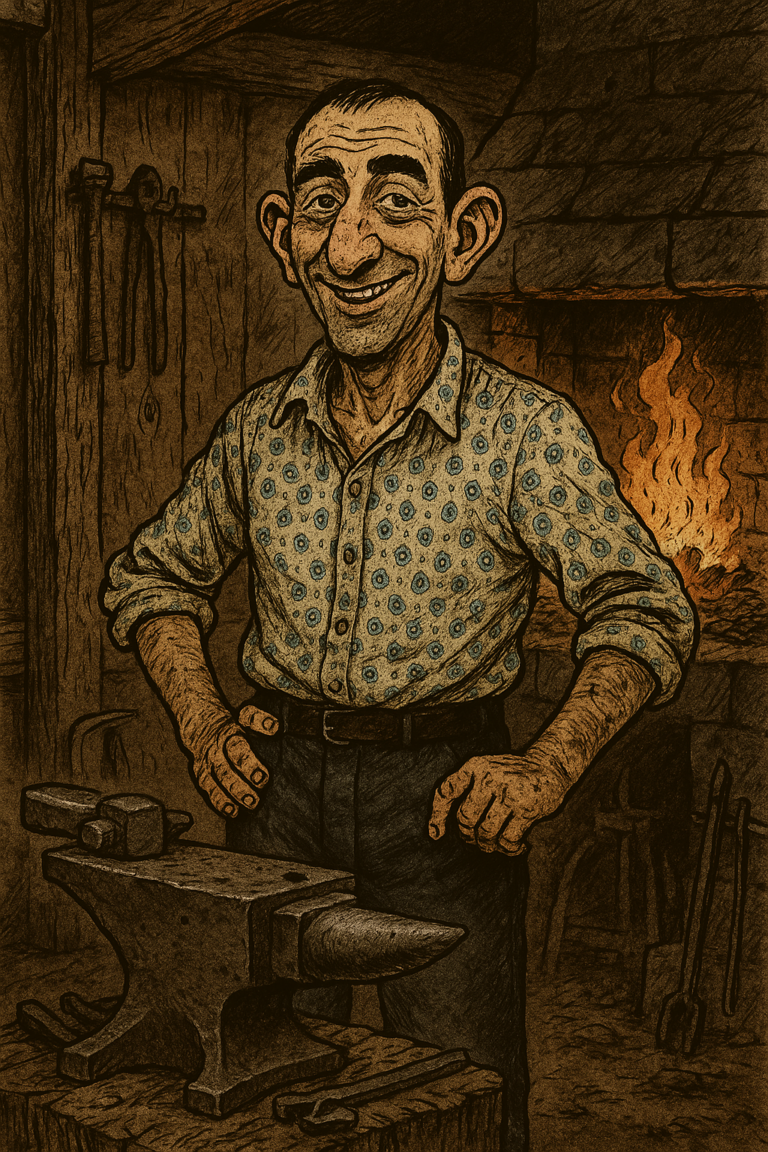
He lived along Cold Springs Road in North Coventry Township, a place that—then as now—sat close enough to neighbors for gossip to travel fast, but rural enough for people to reinvent themselves if they were bold (or reckless) enough.
His History
Daniel Stubblebine was born in 1790, the eldest son of Sebastian Stubblebine and Hannah (Smith) Stubblebine, and the oldest of the three Stubblebine brothers most tied to the Free Love Valley Saga. By the time the valley’s strangest chapter ignited around 1840, Daniel was about 50—not a starry-eyed kid, not a drifting dreamer, but a grown man with callused hands, a trade, and a lifetime of local ties.
A workingman with a forge and a side hustle
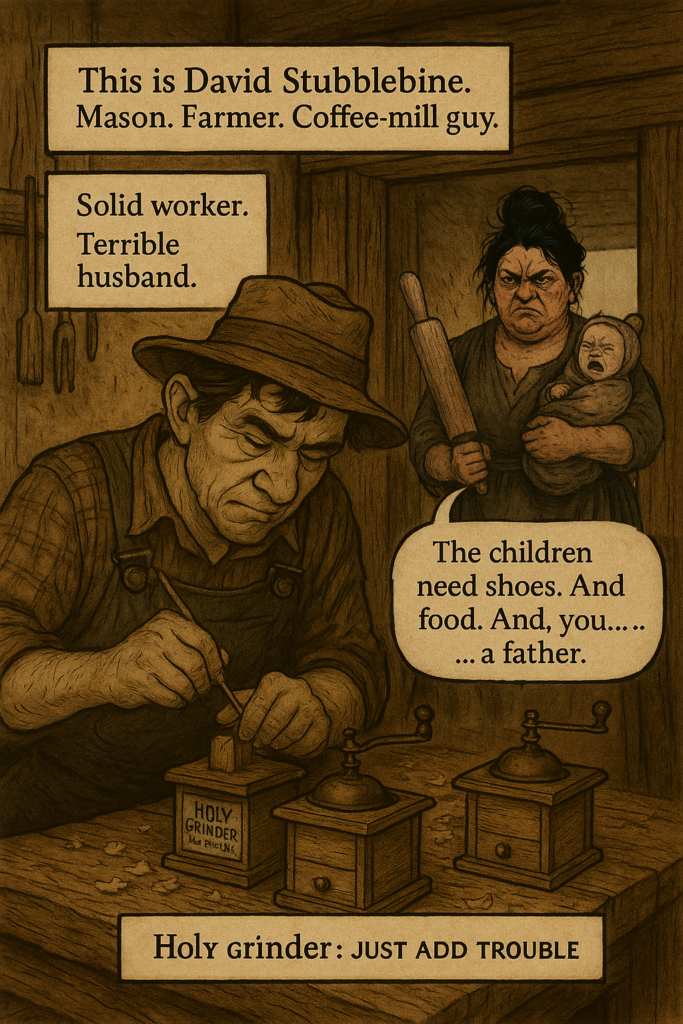
Daniel’s occupation is recorded as blacksmith, and family lore credits him with making coffee grinders as well. That detail matters: coffee mills aren’t just “cute antiques”—they’re precision objects. They require patience, tolerances, and an eye for function. In other words, Daniel wasn’t simply a brawler with a hammer. He was a maker. A problem-solver. The kind of man who could keep a community running because wagons break, hinges fail, tools dull, and somebody always needs something repaired yesterday.
The Battle Axes of the Lord: when “religion” turns into a lifestyle takeover
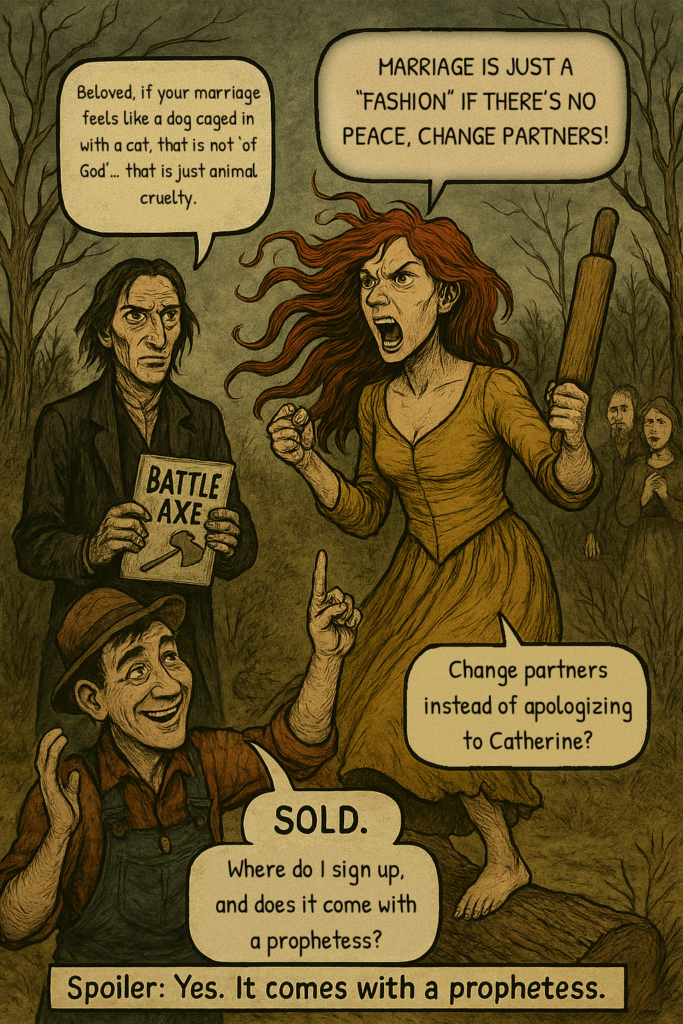
Around 1840, Daniel and his brothers became involved with the Battle Axes of the Lord, an unusual religious sect led by Theophilus Ransom Gates. Gates preached communal property and attacked conventional marriage as a “fashion of this world,” arguing that people should not remain bound in incompatible relationships and could change partners repeatedly rather than live in misery. He also advocated birth control and encouraged nudity—claims that, in 1840s Chester County, landed with all the subtlety of a cannon in a church aisle.
If you’re looking for a tidy “why,” you won’t get one. People join movements like this for a mess of reasons: spiritual hunger, frustration with harsh marriages, economic pressure, loneliness, ego, the thrill of being part of the “chosen,” or simply the intoxicating certainty of a confident leader. But here’s the uncomfortable truth: whatever the original draw was, the opportunity cost was enormous. In a small, moralistic community, association with a free-love sect wasn’t a quirky phase—it was a reputational fire that followed you.
Arrests and consequences
Daniel was arrested in 1856, part of the broader legal and social backlash that swirled around the Battle Axe community. Whether you view the group as reformers, radicals, or wrecking balls, the historical record makes one thing clear: involvement came with real consequences—public shame, legal exposure, fractured families, and a permanent stain on names that otherwise might have remained ordinary farm-and-forge history.
The record shows him alone
The 1850 U.S. Census lists Daniel Stubblebine, age 59, occupation blacksmith, living by himself in North Coventry Township. Next door is his brother David, with Hannah Williams (age 40) in the household—widely presumed to be Hannah Williamson, Gates’s close associate and later successor after Gates died in 1846. That adjacency is a quiet but loaded detail. It suggests Daniel was still physically near the epicenter of the movement’s aftermath—close enough to be connected, but living alone enough to hint at distance, fallout, or simply the solitary shape of his later years.
Death: the dates don’t agree (and that matters)
The 1860 Mortality Schedule reports Daniel Stubbelbine dying in September 1859 in Lower Uwchlan Township, at a reported age of 70, with cause of death recorded as “St. Anthony’s Fire” (historically used for severe skin inflammation/ergotism-type labels, depending on context).
Legacy: more than a cult footnote
It’s tempting to reduce Daniel to “one of the Battle Axe brothers.” That’s the sensational hook—but it’s not the whole man. He was a skilled tradesman in a rural Pennsylvania community, a craftsman tied to the daily mechanics of life, and a figure who—late in adulthood—became entangled in an extremist social experiment that promised liberation and delivered chaos.
If there’s a lesson in Daniel’s story, it isn’t just “people were weird back then.” It’s sharper than that: intelligent, capable adults can still get swept into movements that reward certainty, punish doubt, and burn down ordinary life in the name of revelation. Daniel’s forge made useful things. The movement he joined made heat too—but it didn’t build nearly as much as it destroyed.
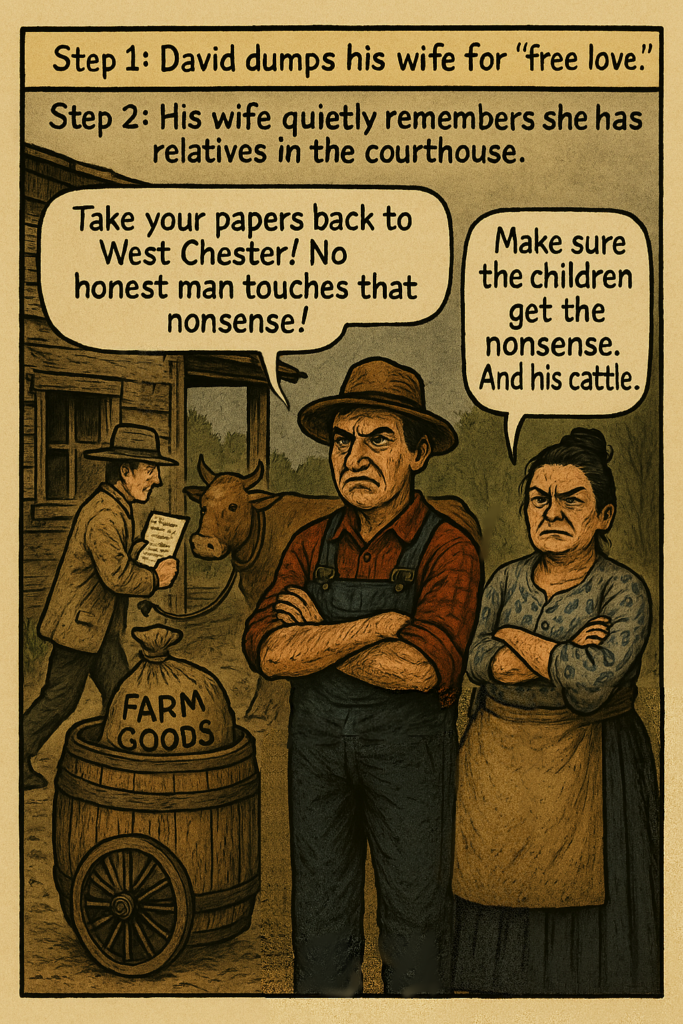
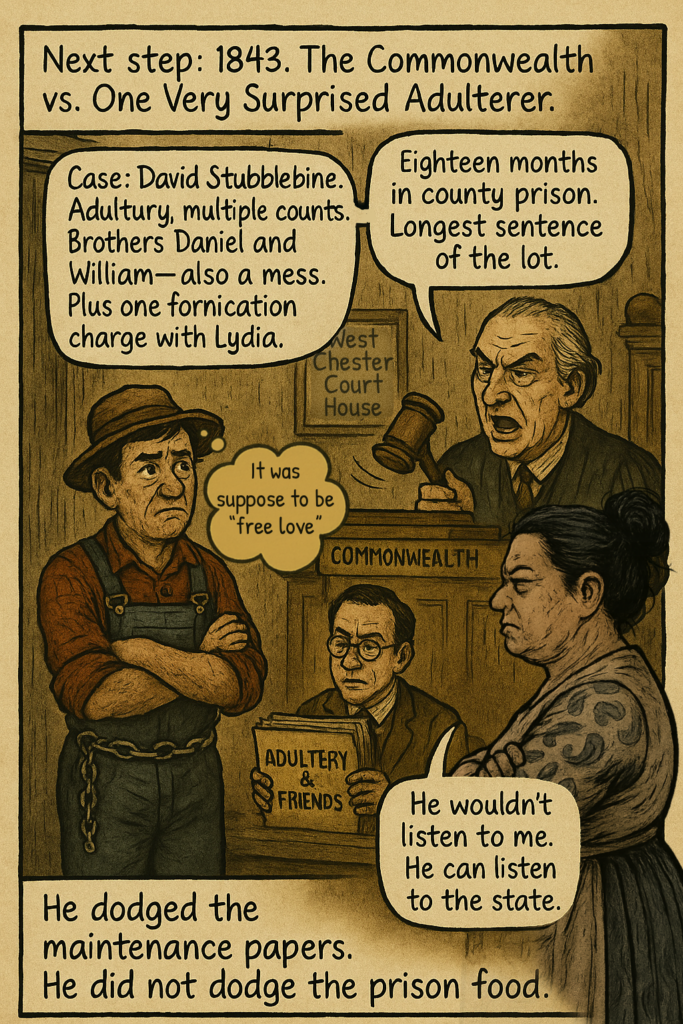
Legal Troubles and Imprisonment David’s commitment to the Battle-Axe ideals had serious legal and financial consequences:
- In November–December 1842, Chester County authorities seized about $1,000 in cash, cattle, and farm goods from David “for the support of his family,” after he refused to cooperate with court proceedings involving Catharine’s maintenance.
- In February 1843, Quarter Sessions indictments named David for adultery, with related charges against his brothers and a linked fornication charge involving Lydia Williamson.
- The Chester County Prison Docket (1840–1857) records David, age 55, committed in 1843 for adultery. He was convicted on multiple counts and received the longest sentence among the Battle-Axe defendants: 18 months in the county prison.
These cases formalized what was already happening in practice: David had left his legal wife for the Battle-Axe community, and the state intervened to enforce both moral law and financial responsibility.
Final Years and Death. After his release, David appears again as a farmer in North Coventry, still associated with Hannah Williamson. The 1860 U.S. Census Mortality Schedule records his death in March 1860, at about 70, from “dropsy fever” and old age, and notes that he was married at the time. He was interred at Shenkel Cemetery, near others connected to the sect and to the valley’s history.
Historical Significance. David Stubblebine’s life sits at the meeting point of ordinary rural labor and extraordinary religious experiment. He was at once a mason, farmer, and craftsman of coffee mills on Cold Springs Road, and a committed member of a movement that openly challenged marriage, sexuality, and church authority in 19th-century Chester County.
Through court dockets, tax lists, census entries, and sect narratives, David emerges as a key figure in the story of Free Love Valley—a man who reshaped his life around radical beliefs and, in doing so, drew the sustained attention of his neighbors, the courts, and history itself.
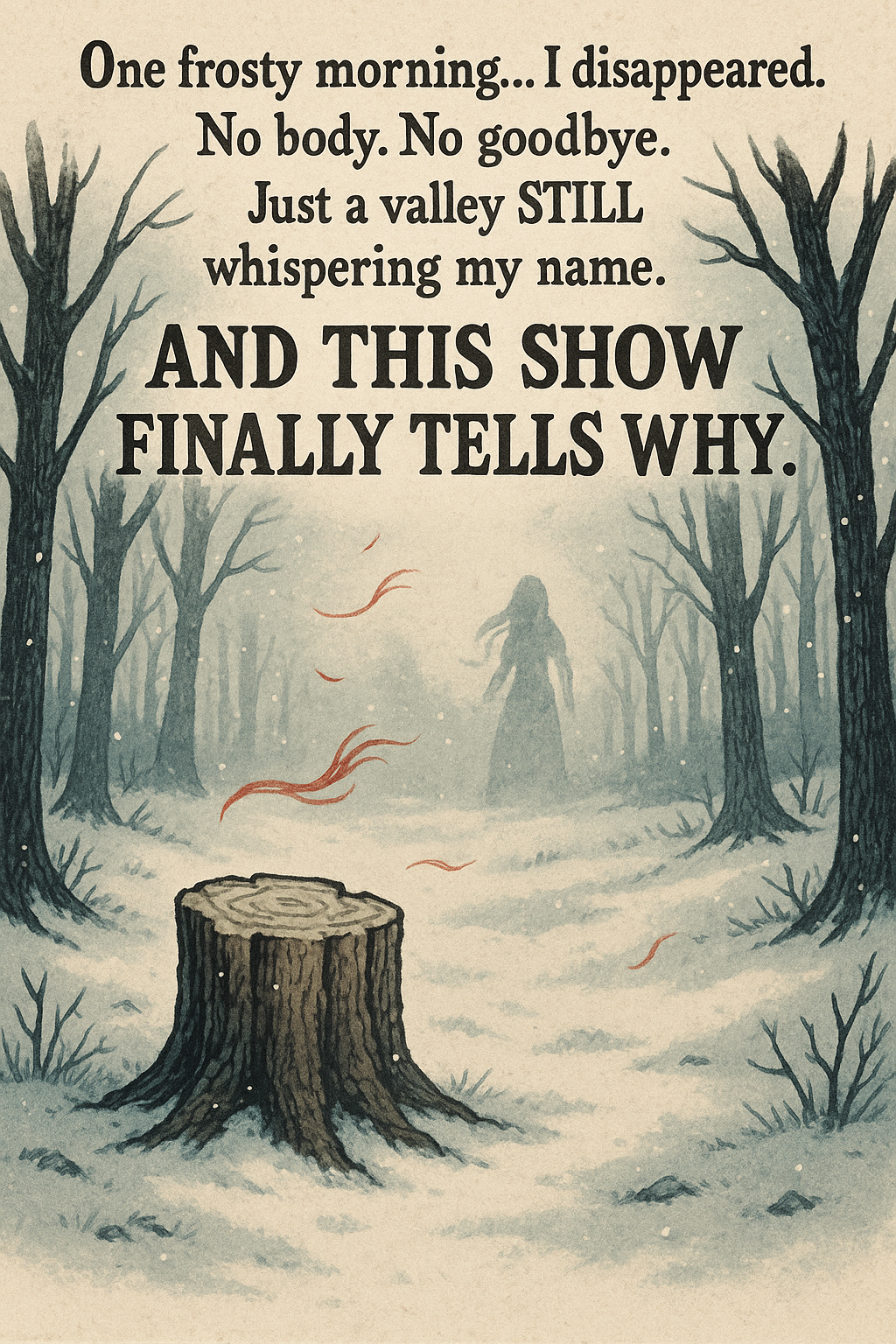

Meet Cory Roman – The Voice Actor Behind David Stubblebine
Meet Cory, the talented voice behind David Stubblebine and many, many weird and wonderful voices. By day, he kills bugs, and by night he amazes audiences with his wide range of voices..